
Teachers call for greater focus on arts to boost employability skills
Some 87% of teachers say such education helps build teamwork and collaboration, while 85% report gains in communication and social fluency
Register to get 1 free article
Reveal the article below by registering for our email newsletter.
Want unlimited access? View Plans
Already have an account? Sign in
Less than half of secondary teachers believe pupils leave school ready for work, according to new research from Trinity College London, that highlights concerns over employability skills and calls for greater emphasis on performance and creative education.
The study of more than 800 secondary teachers found that only 48% think students are well prepared for working life. A further 92% say schools need to do more to ensure teenagers finish education “work ready”.
Teachers across state, grammar and independent schools reported limited room in the curriculum to develop transferable skills, with only 38% saying they have enough time to teach them.
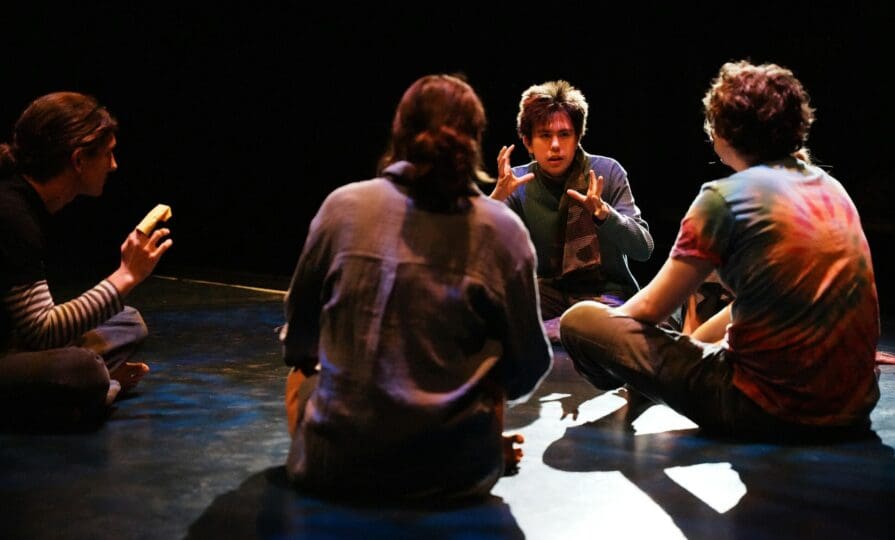
The research shows broad agreement over the value of performance and creative subjects. Some 87% of teachers say such education helps build teamwork and collaboration, while 85% report gains in communication and social fluency. Drama is seen as particularly effective for communication, while music and dance are viewed as strengthening creativity, concentration and resilience.
A parallel survey of 1,538 young people suggests those who continue with performance and creative subjects feel better prepared for work. Respondents reported higher confidence levels, lower workplace anxiety and fewer concerns about sharing opinions or presenting.
Despite this alignment between teachers and students, staff cite several barriers to expanding arts provision. Structural challenges were identified by nearly one in three teachers, while 46% point to funding pressures and 44% say the curriculum restricts provision. Staffing shortages and assessment demands were each cited by 36%.
As a result, 77% of teachers recommend pupils take part in performance and creative activities outside school to build workplace skills. Some 40% said they “strongly recommend” this for all students.
Teachers also say key stakeholders remain unconvinced of the value of structured creative study. Only half believe parents understand its importance, while 47% say the same of governors and 46% of policymakers.
Eleanor Adressen, chief academic officer at Trinity College London, said: “In a rehearsal room or studio, students build these habits every week. They learn to listen, to adjust, and to give their best under time pressure. The same behaviours show up later in a team meeting, a client call or a project.
“The evidence from our research is clear. Structured performance and creative education activity provide exactly the kind of authentic, repeated practice that transforms anxious and unconfident school leavers into confident workplace contributors.
Andressen said the findings underline the need to “rebalance our education priorities”, noting a long-term decline in arts entries at GCSE.
She said the new curriculum framework in England, due from September 2028, gives arts subjects equal status and “creates space to start to embed the ‘A’ in STEAM”.