
Over 800,000 under-5s using social media, new findings show
Using population data, the Centre for Social Justice estimated that there could be up to 814,000 UK children aged three to five engaging with social media
Register to get 1 free article
Reveal the article below by registering for our email newsletter.
Want unlimited access? View Plans
Already have an account? Sign in
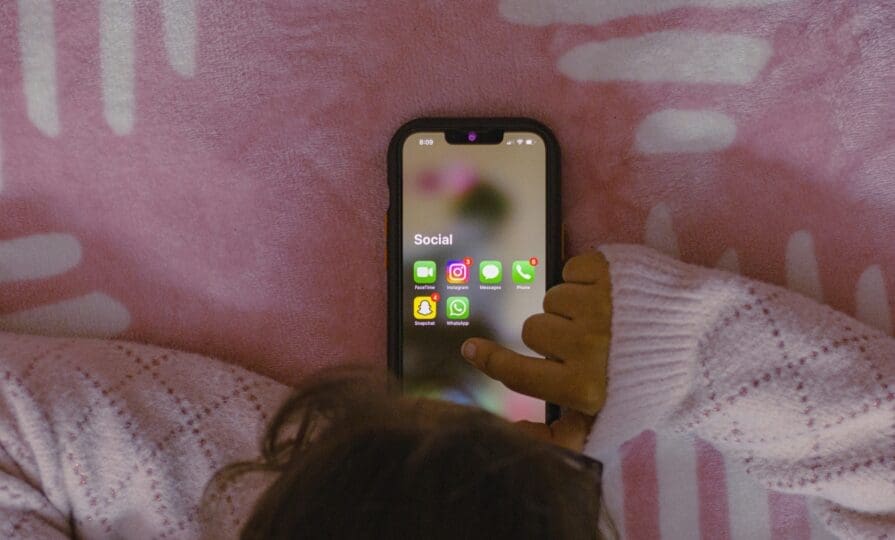
Almost one million children under five are already active on social media despite age restrictions typically being set at 13, according to new analysis from the Centre for Social Justice (CSJ). It comes as data from Ofcom found that 37% of parents of three to five-year-olds say their child uses at least one social media app or site, up from 29% in 2023.
Using population data, the CSJ estimated that there could be up to 814,000 UK children aged three to five engaging with social media.
Research from Ofcom found that almost one in five (19%) children aged three to five use social media independently, while 40% of children under 13 have a social media profile despite restrictions.
One in four 8 to 9-year-olds who game online reported interacting with strangers, and parental concerns remain high, with three in four worried about exposure to age-inappropriate content.
The centre’s Change the Prescription report highlighted the harm of exposure to social media at the stage when children’s speech, sleep, attention and emotional development are most vulnerable to disruption.
It said it is “concerned about rising anxiety and identity-based distress linked to persistent stimulation from screens, with schools reporting declining attention and behaviour linked to online norms”.
In light of this, the CSJ is calling for more digital protections as part of a national strategy, “rather than leaving families and schools to cope alone”.
Recommendations include:
- Raising the age of digital consent to 16 to prevent the harmful impact of algorithms and to reduce the addictive nature of social media.
- Banning smartphones in schools to break the 24 hour cycle of phone use.
- Launching a public health campaign to highlight the harms of social media.
To support this, the CSJ is hosting a Westminster panel event today (2 December), bringing together senior figures from policing, health, Parliament and education to consider age limits, enforcement and parental support.
Lord Nash, former minister at the department for education, said: “This research is deeply alarming. With hundreds of thousands of under-fives now on these platforms, children who haven’t yet learned to read, being fed content and algorithms designed to hook adults, should concern us all.
“We need a major public health campaign so parents better understand the damage being done, and legislation that raises the age limit for social media to 16 whilst holding tech giants to account when they fail to keep children off their platforms.”
Daniel Kebede, general secretary of the National Education Union, said: “The alarming findings of this report will come as no surprise to teachers who every day see the damaging impact of social media on young children. It affects every part of a child’s development, from their mental health and wellbeing to their speech and language and socialisation with peers.
“NEU polling with More in Common and The New Britain Project shows that for parents, social media and its negative impacts on their children’s mental health is an urgent issue.
Social media giants have a responsibility to our children. If they cannot accept this responsibility of their own volition, the government must take action to ensure they do.”
He added: “It is important that we have a debate on this topic and shine a light on the impact that social media is having on young people. But much more needs to be done. There is clear public support for greater government intervention, which must be heeded. The Australian government has already banned social media for all under-16s and we should look to do the same.”